
On the occasion of the International Day of Zero Tolerance for Female Genital Mutilation (FGM) on 6 February, the Soroptimists of Gulf-Dubai (United Arab Emirates) reaffirm their commitment to ending one of the most severe forms of violence against women and girls.
According to UNICEF and the World Health Organization, more than 230 million women and girls worldwide have undergone FGM, primarily across Africa, Asia, the Middle East, and within migrant communities[1]. Despite being prohibited in many countries, the practice persists and has increased by approximately 15% over the past eight years, partly due to population growth and the impact of global crises such as COVID-19[2]. FGM causes lifelong physical, psychological, and social harm and constitutes a serious violation of human rights.
In response to this urgent global challenge, the Soroptimists of Gulf-Dubai launched the STOP FGM project in 2021. Running until May 2025, the initiative combines awareness-raising, education, and targeted fundraising to support grassroots action focused on prevention and protection.
Over the course of the project, 500 volunteer hours were dedicated and €24,517 were raised, exceeding initial expectations. Funds were generated through a series of coordinated actions, including a portrait photography fundraising initiative, expert presentations on the medical and psychosocial consequences of FGM, and a silent auction held during ARTMUC, a contemporary art fair in Munich that welcomed over 10,000 visitors.
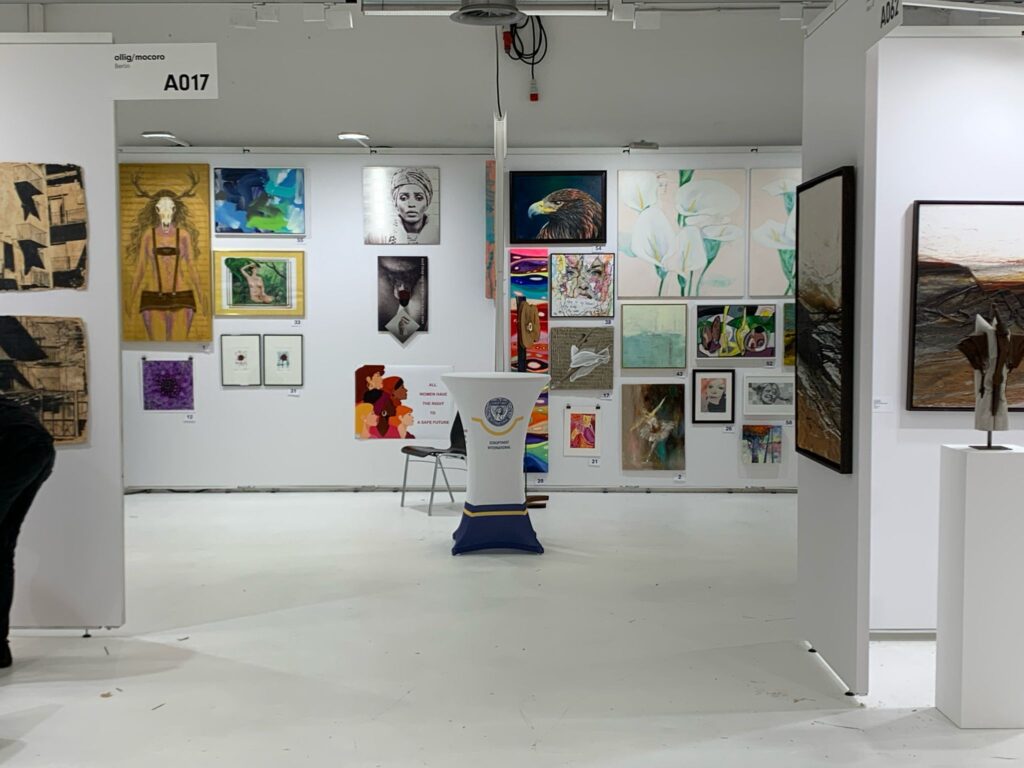
Three Soroptimists from Gulf-Dubai travelled to Germany to deliver this action, supported by SI München, further demonstrating the power of Soroptimist sorority in action.
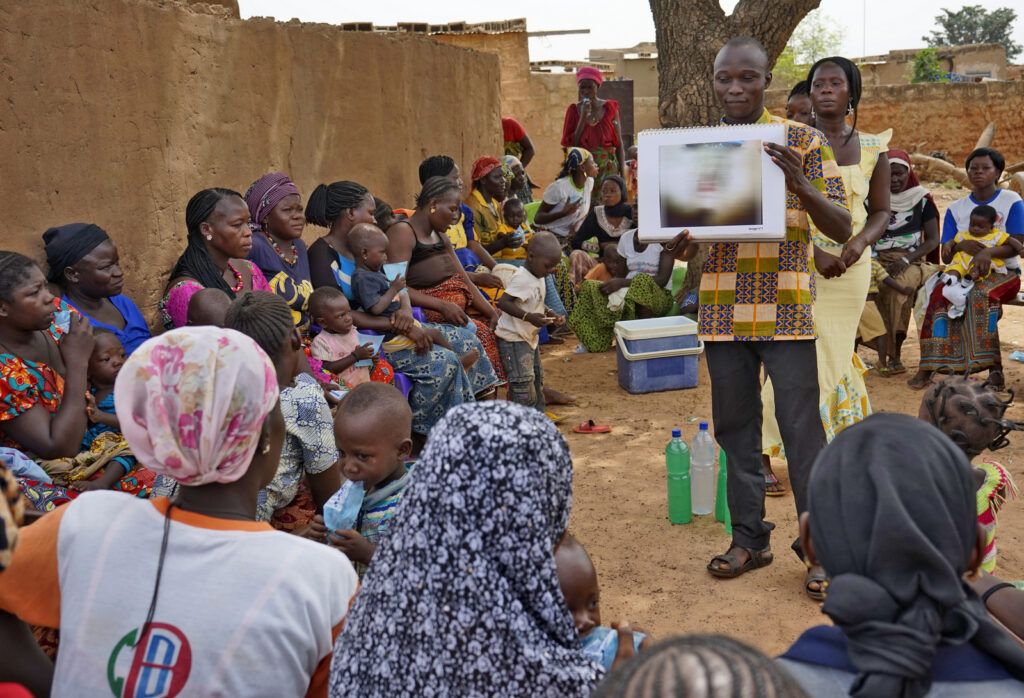
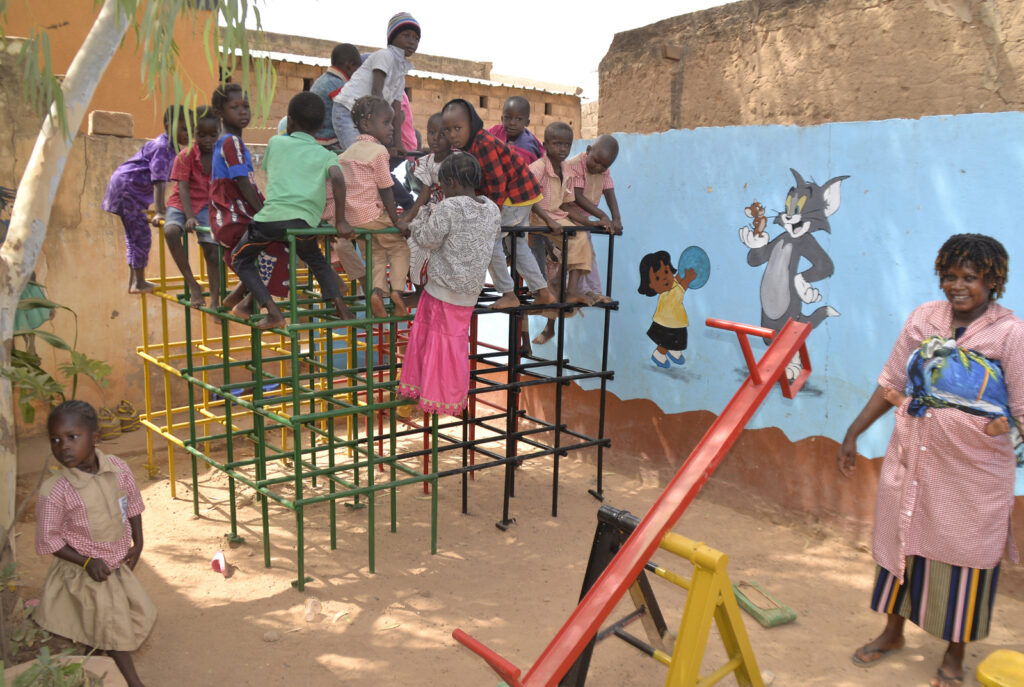
A key beneficiary of the project is NALA e.V., an organisation working in Burkina Faso to prevent FGM through education, nutrition, and close engagement with families. Support from the project directly benefited 60 girls attending the kindergarten of Wend Sonda in Ouagadougou, improving their health, school attendance, and protection. As explained by Derra Tasséré, local project coordinator, daily contact with children and parents helps prevent FGM, early marriage, and sexual violence while building trust and long-term change within communities.
The project also strengthened inter-federation cooperation with SI Milimani (Kenya), where Soroptimists engaged with schools supporting girls at risk of FGM. This collaboration across different Soroptimist Federations and continents illustrates how Soroptimist solidarity truly transcends borders.
Through STOP FGM, the Soroptimists of Gulf-Dubai have contributed to awareness, prevention, and concrete impact, reaffirming their commitment to ensuring that girls everywhere can grow up safe, healthy, and free from harmful practices.
[1] UNICEF (2024) – Female Genital Mutilation: A Global Concern
https://www.unicef.org/protection/female-genital-mutilation
[2] UNICEF (2020) -FGM Elimination and COVID-19: Sustaining the Momentum
https://www.unicef.org/media/107641/file/FGM%20COVID-19%20case%20study.pdf
By Bintou Koïta,
Senior Programme Officer (SIE HQ)